$0.00
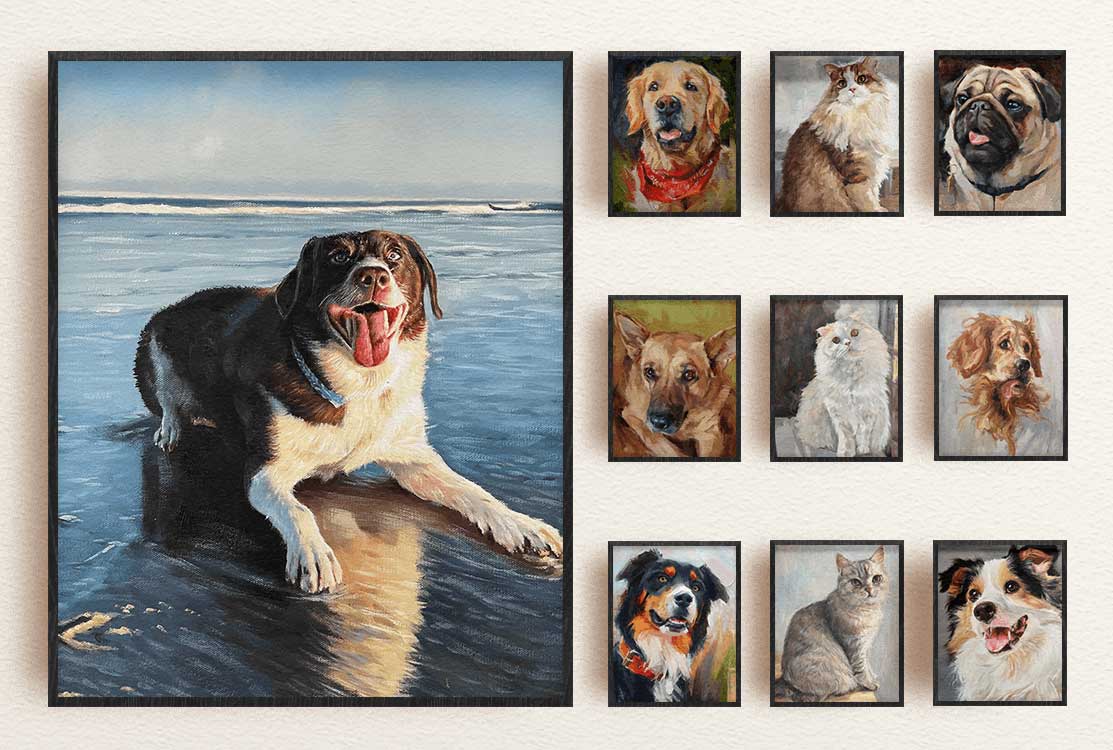
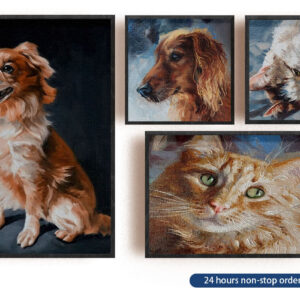
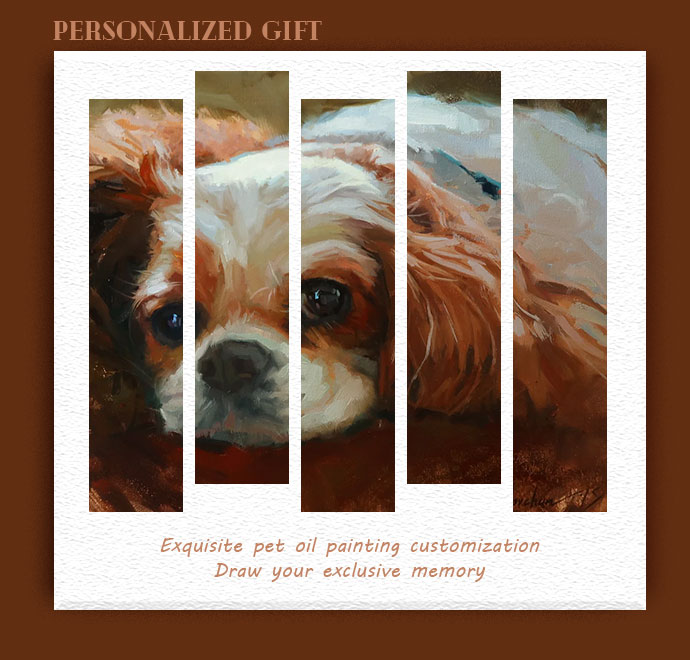
Pet Portraits -Painting your pet (Dogs, cats, horses and other pets)
$90.00We make handmade, handpainted custom painting on handcrafted canvas.
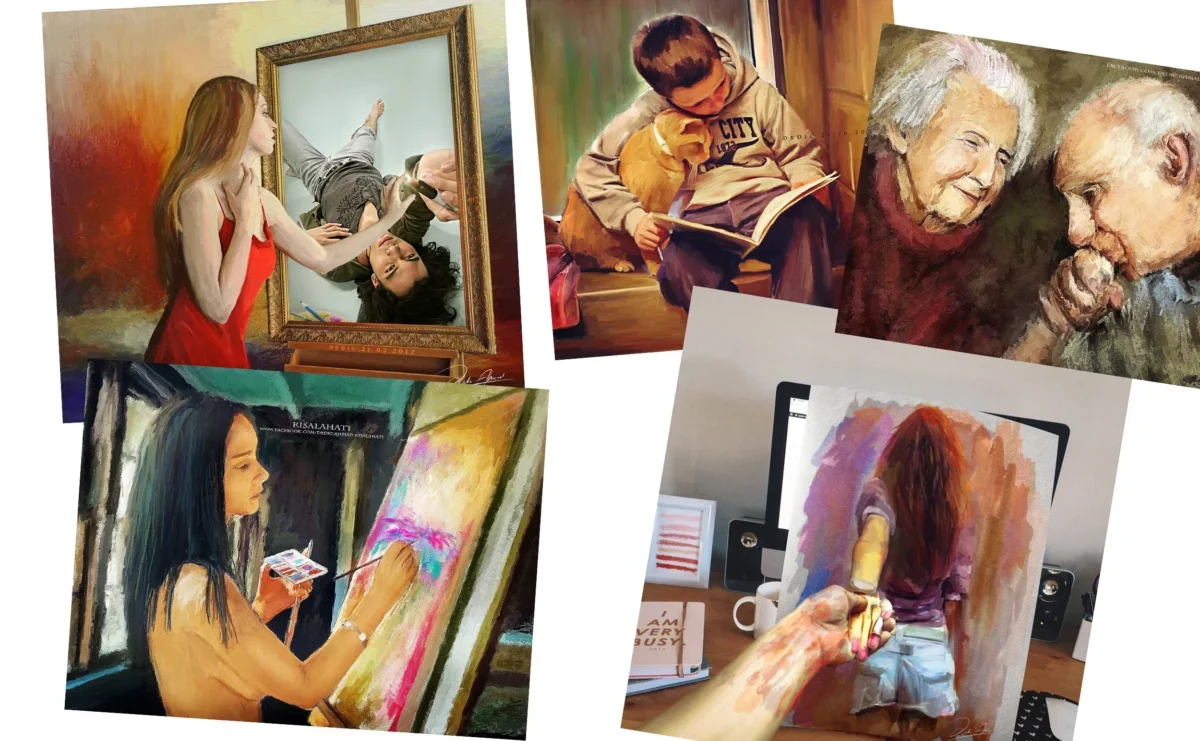
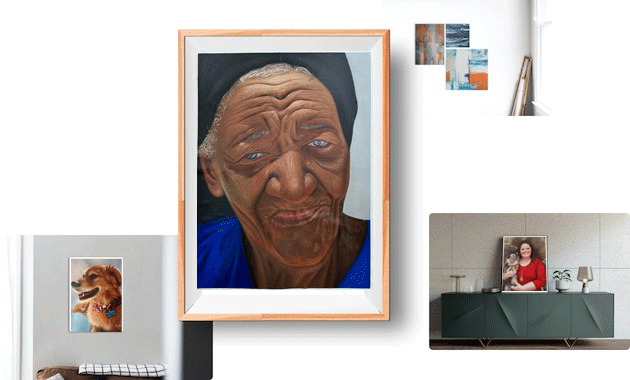
We make orignal dog, cat, rabbits, parrot and any unique petportrait paintings. We also paint anything that holds sentimental value to you or anyone you wish to gift like family portraits. The styles vary from oi; painting, watercolor, acrylic painting to digital print. You need to communicate cleary with us during the process to clarify your specific needs.
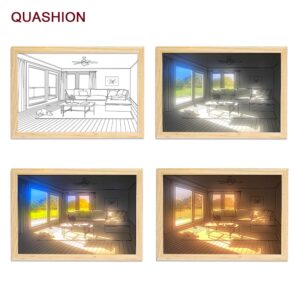
The best place to buy light paintings-ins/tiktok/led..
$28.00 – $38.00Name: Creative LED light painting Lamp Size:D130*H170mm,D220*H310mm Voltage:5V Power:0-5W Material: Wood+Acrylic Lamp Source:LED 3 colors light (Cool light / Natural light / Warm light) Switch Type: USB PLUG+Dimmable button Suitable for:Bedroom, living room, restaurant, bar, office, coffee shop, cloth shop, hotel and so on. Paintingu.com-the best place to buy led light paintings,if you want to […]
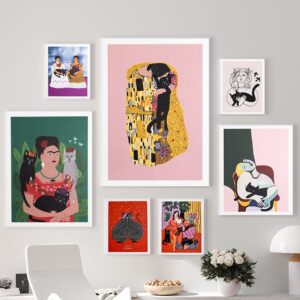
The best place to buy handmade wall art painting
1. The poster is without inside and outside frame to keep down the shipping cost,no mat,no inside frame, only canvas.but this size is usual photo frame size and you can get ready frame easily. 2. As the lighting effects, the color of objects maybe a little different from pictures. 3. If there are any < […]
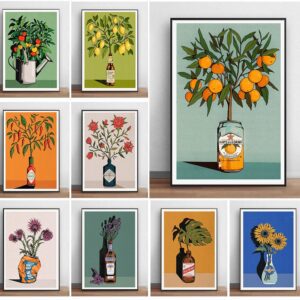
The best place to buy painted personalized canvas reproductions
PRODUCT INFORMATION 1.Brand:SENLI 2.Name: Canvas Painting 3.Size:Size: 5*7inches (13*18 cm); 6*8 inches (15*20 cm) ; 8*10 inches (20*25 cm); 8*12 nches (21*30 cm); 12*16 inches (30*40 cm) ;13*20 inches (35*50 cm); 16*24 inches (40*60 cm); 20*28 inches (50*70 cm) ; 24*32 inches (60*80 cm) 4.Material:High Quantity Cotton Canvas 5.Package Content: 1 Piece Painting (unframed) 6.Package: […]
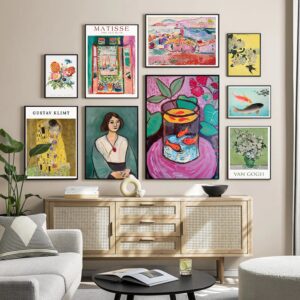
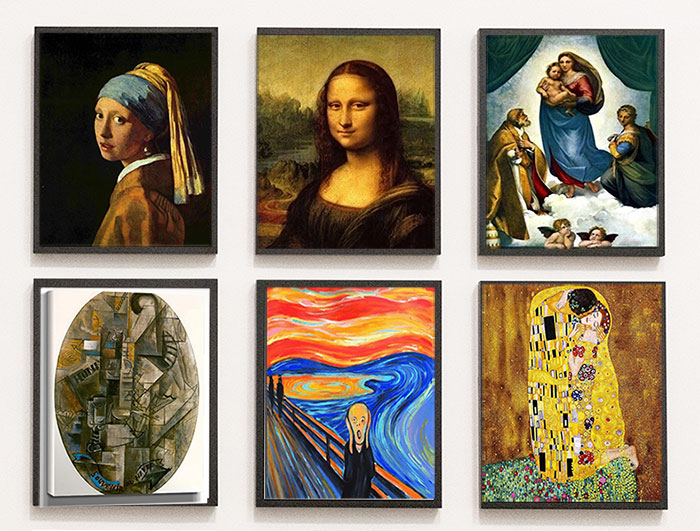
The best place to buy personalized oil painting canvas
INFOMATIONS Brand: Eyes On Walls Store Material: High Quality Canvas & Waterproof Ink Technique: Giclee Printing Framed: No Framed (Poster only) Note: 1.It comes a poster only, No Frame, poster has no border. The poster with frame in the picture is used only as a display effect. If you need 3cm whiter border, please leave […]
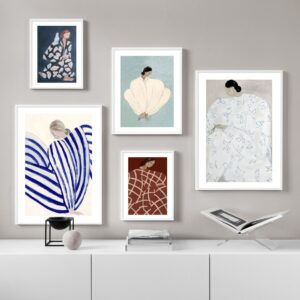
The best place to buy finished painting-pets/wall art/portraits
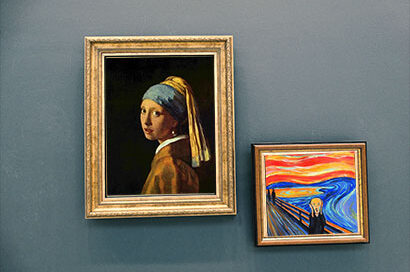
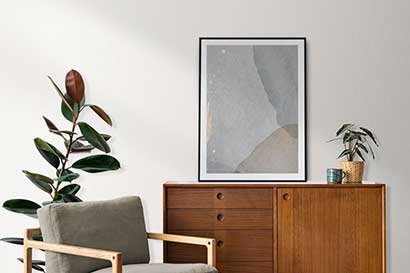
Paintingu.com-the best place to buy finished painting,if you want to buy a painting online,just order it directly or contact our customer service for more details,we provide custom paintings,paintings reproductions with museum quality. Don’t know how to decorate it? If you don’t know how to match, please send me the photos of the room you want to decorate, […]







-
"PaintingU gave my family photo a touch of genius. These pieces are so amazing. I needed something to hang in my office and with a red theme which is lively. I couldn’t have asked for more with my favorite people all in one frame. What you see was a black and white photo by the way. I have already made an order to have in enlarged and sealed with their handcrafted frames. Thank you paintingu.com, the best website for custom paintings."

Vicy Anna
/ Orlando, FL -
“I cannot get enough of these paints. Outings with the family are always the best memories for me. I wanted a special way to keep this memory and paintingu did not disappoint. They perfected it with the right frames, the size I orded and materials which regulate unnecessary reflections. I cannot ask for more. I gave it to my mom, and she got all teary, it's up on the wall! I will be coming for more when I need personal gifts for friends and family.”
Patrick
/ New Jersey -
“I wanted a special way to appreciate my partner and express my affection to him through art. That photo is one of my favorites of him in his superman attire, doing what he loves. I got a warm cuddle and tight one for that after he opened it. This is one of the best marriage gifts that he cherishes. The quality of the materials used on it cannot be overstated! I am grateful that paintingu.com put all the effort into making my gift worth his while. I highly appreciate them”
Aminda
/London -
“My girlfriend is a model, and she takes pride in her work. When she was lacking inspiration, I wanted a way to motivate her, and I thought the vibrance of colors through customized painting could help. This piece handcrafted by specialists from the frames to high quality paper did the trick to get my other half pumped up. The canvases are glossy, and it made a perfect gift to raise her spirits and show her that I support her. It worked like a charm"
Frank
/Itali -
“After my nephew’s dog passed away, he was so miserable. It reminded me of the sorrow I went through when my own left us. I figured a proper way to console him would be to make sure he holds on to atleast a memory of Chicco. To the left is my fluffy late Sissy which paintingu.com did for me and to the right is Chicco. My nephew has him up the wall in his room and he couldn’t be more at peace now. Such an international standard piece of work. ”
Joseph
/German -
"My husband made an order to surprise me knowing how much I love paintings and art. I am very impressed with what paintingu did to the photo of my sons. The prints they produce are of high quality and they always communicate with you during the process to make sure they follow your instructions. Their attention to detail is amazing. Thank you for this amazing piece, everyone in the family loves it. Hope to come back again. Thumbs up paintingu "
Fiona
/ California